 HN
I gave Opus 5.5 one prompt and six hours to visualize Invisible Cities
Claude Opus 5.5 vs GPT-6 Astra one-shot Invisible Cities by Italo Calvino in Three.js: AI design, UX, data visualization and explorable explanations.
Get new posts by email
Subscribe via RSSHN Claude Opus 5.5 vs GPT-6 Astra one-shot Invisible Cities by Italo Calvino in Three.js: AI design, UX, data visualization and explorable explanations.
 HN
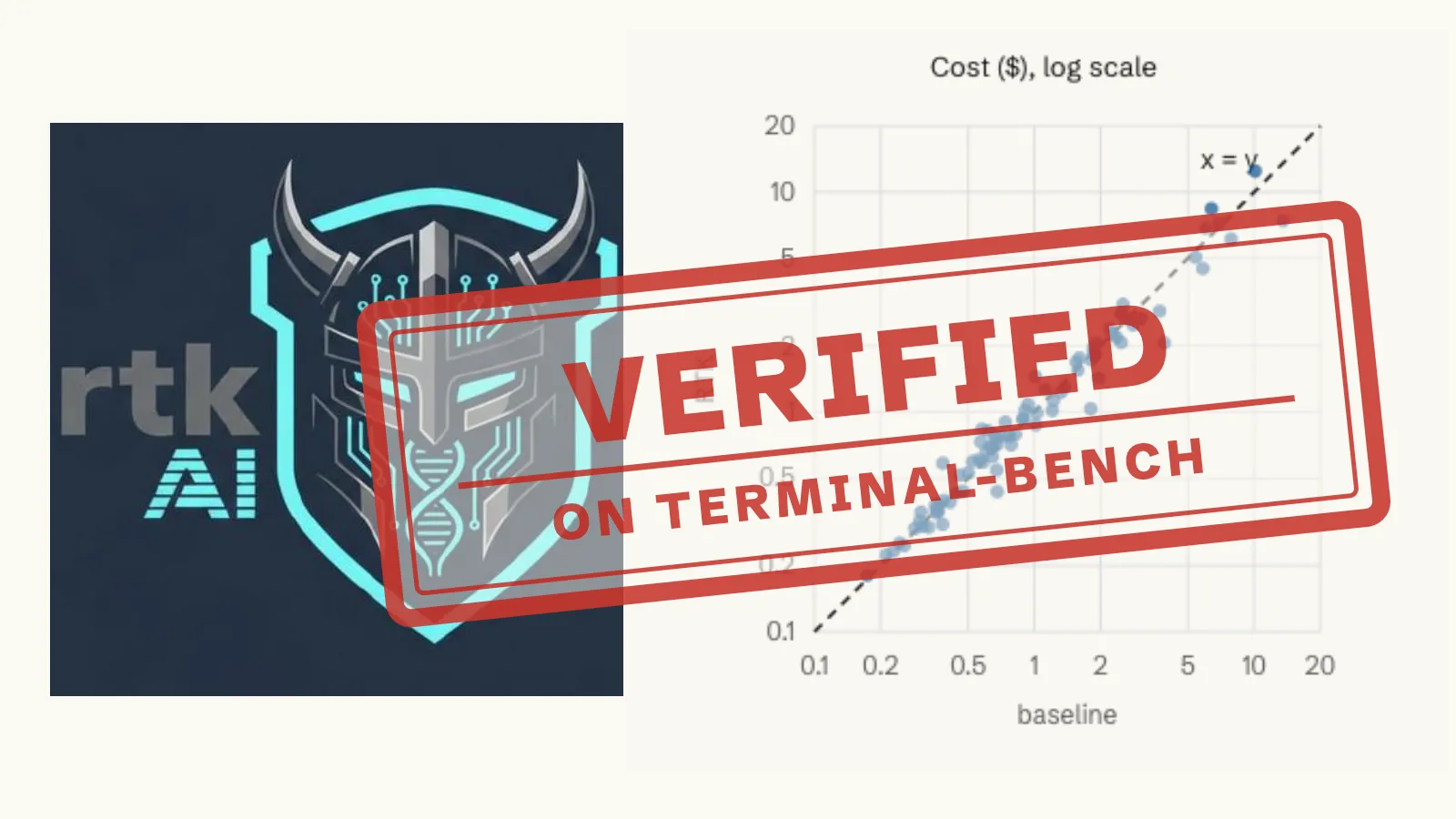
We tested RTK (Rust Token Killer) with Claude Code on Fable 5.0, and OpenCode with DeepSeek V4 Pro 0813 on Terminal-Bench 2.1.
 HN
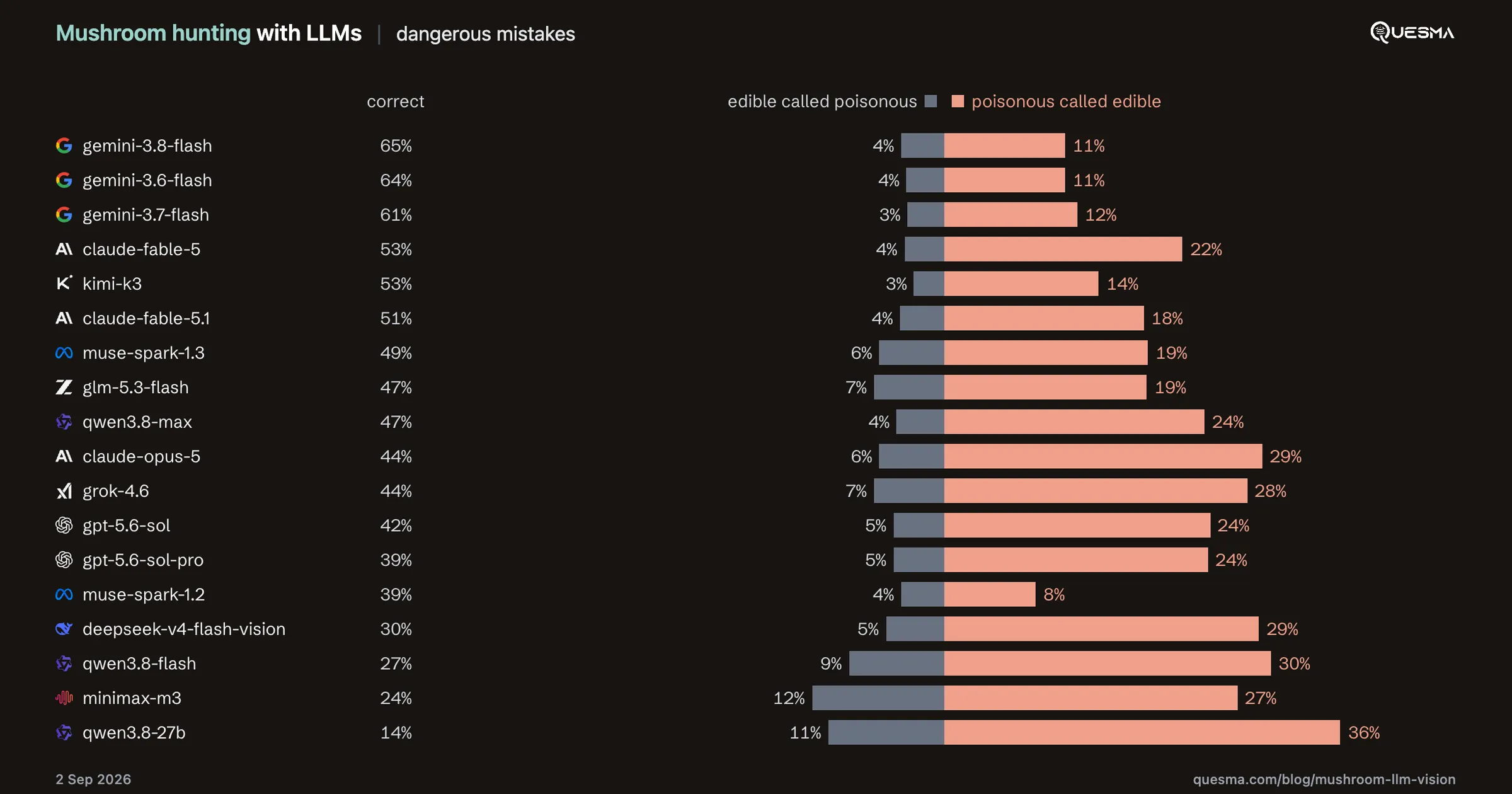
Mushroom identification with AI: GPT-5.6-Sol, Gemini 3.8 Flash, GLM-5.3-Flash and Claude Fable 5.1 benchmarked on poisonous and edible species of FungiTastic. A lot of dangerous errors.
 HN
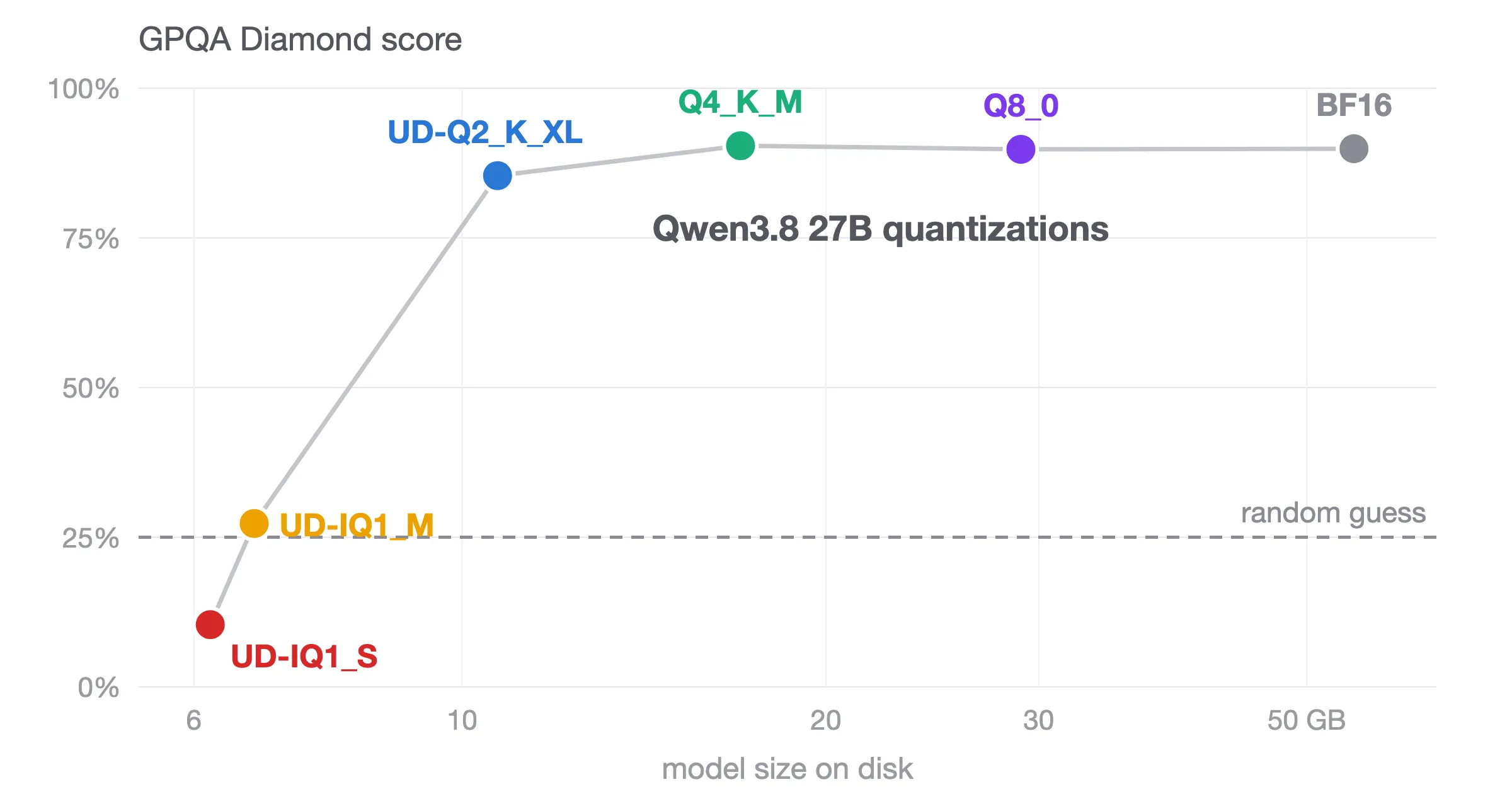
I test Unsloth GGUFs of Qwen3.8 27B (Q4_K_M, UD-Q2_K_XL, UD-IQ1_S) with llama.cpp on GPQA Diamond, IFBench, Terminal-Bench 2.1. Q4_K_M matches BF16 and fits an RTX 4090.
 HN
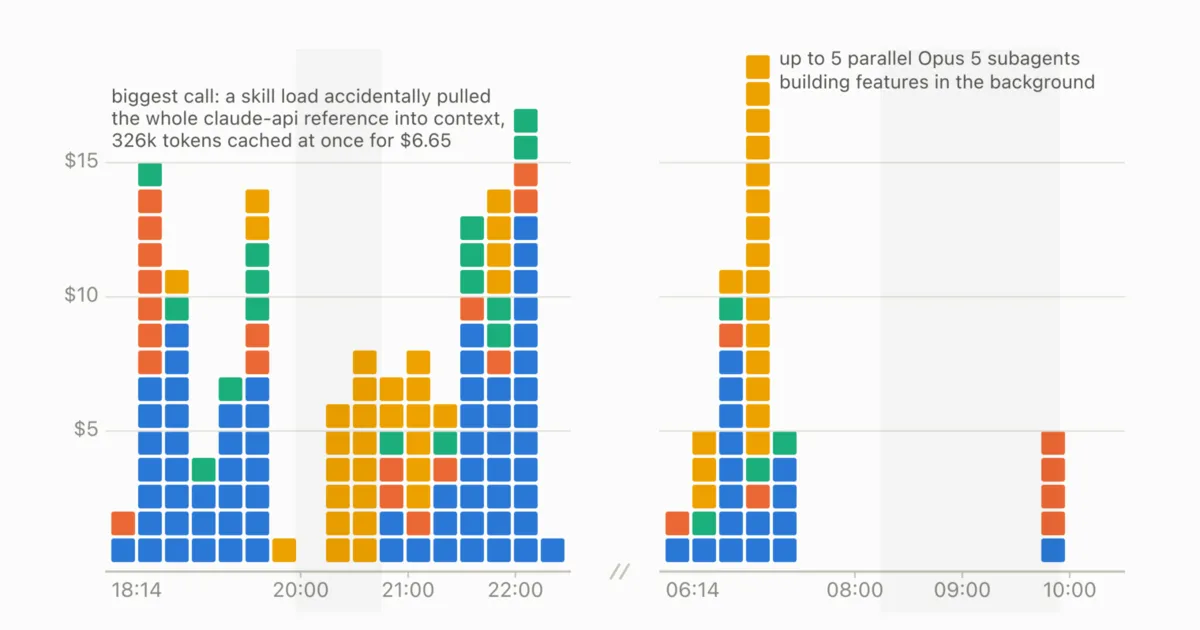
Claude Code buyer’s guide, August 2026: what Max, Team, and Enterprise cost, how to get the best deal, and how Uber and Shopify cap the spend.
 HN
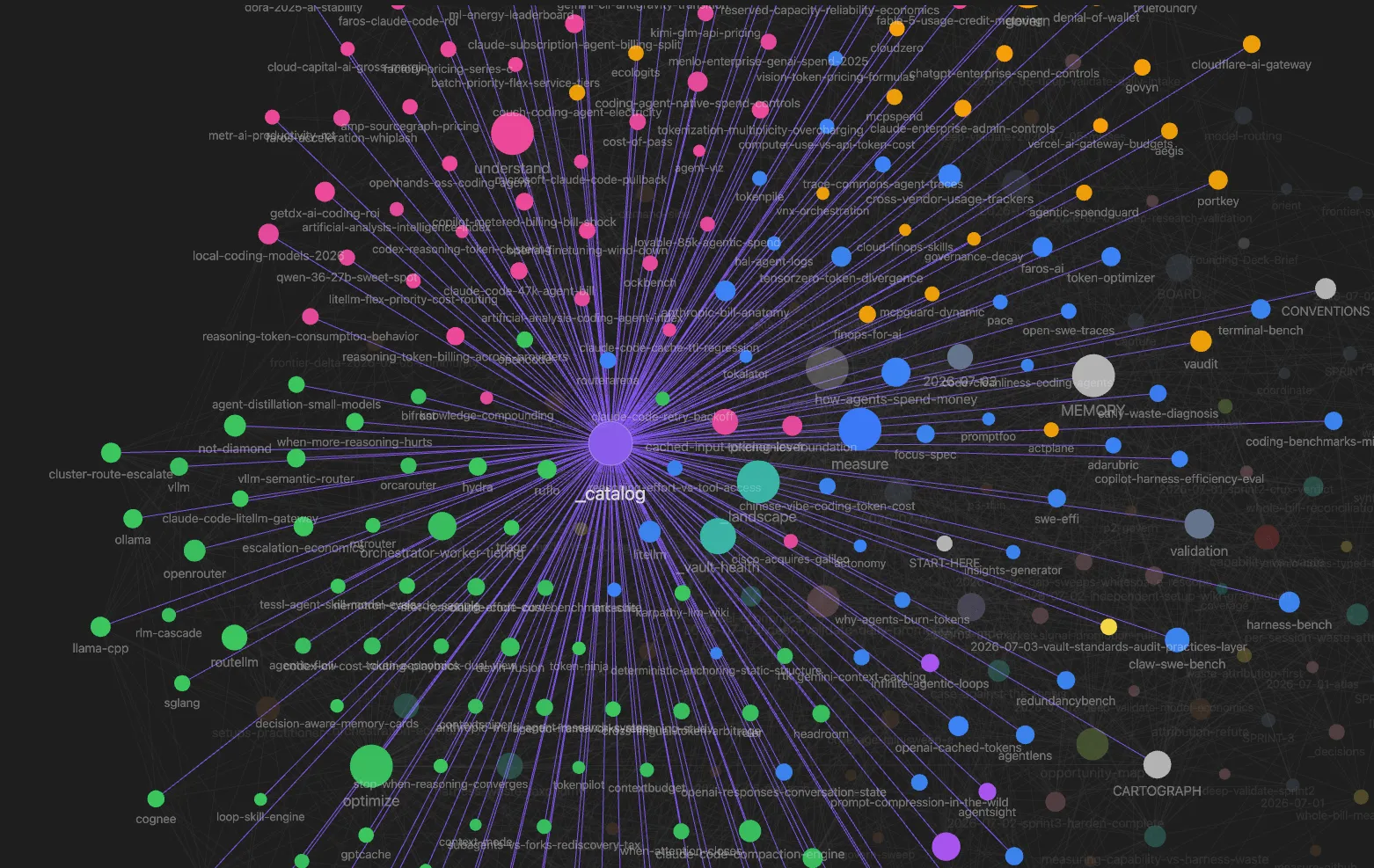
How I burned a full Claude limit in 30 minutes and built my own deep research pipeline instead: 3 subscriptions, shared memory, a clear role for each model. You can build the same from what you already pay for.
 HN
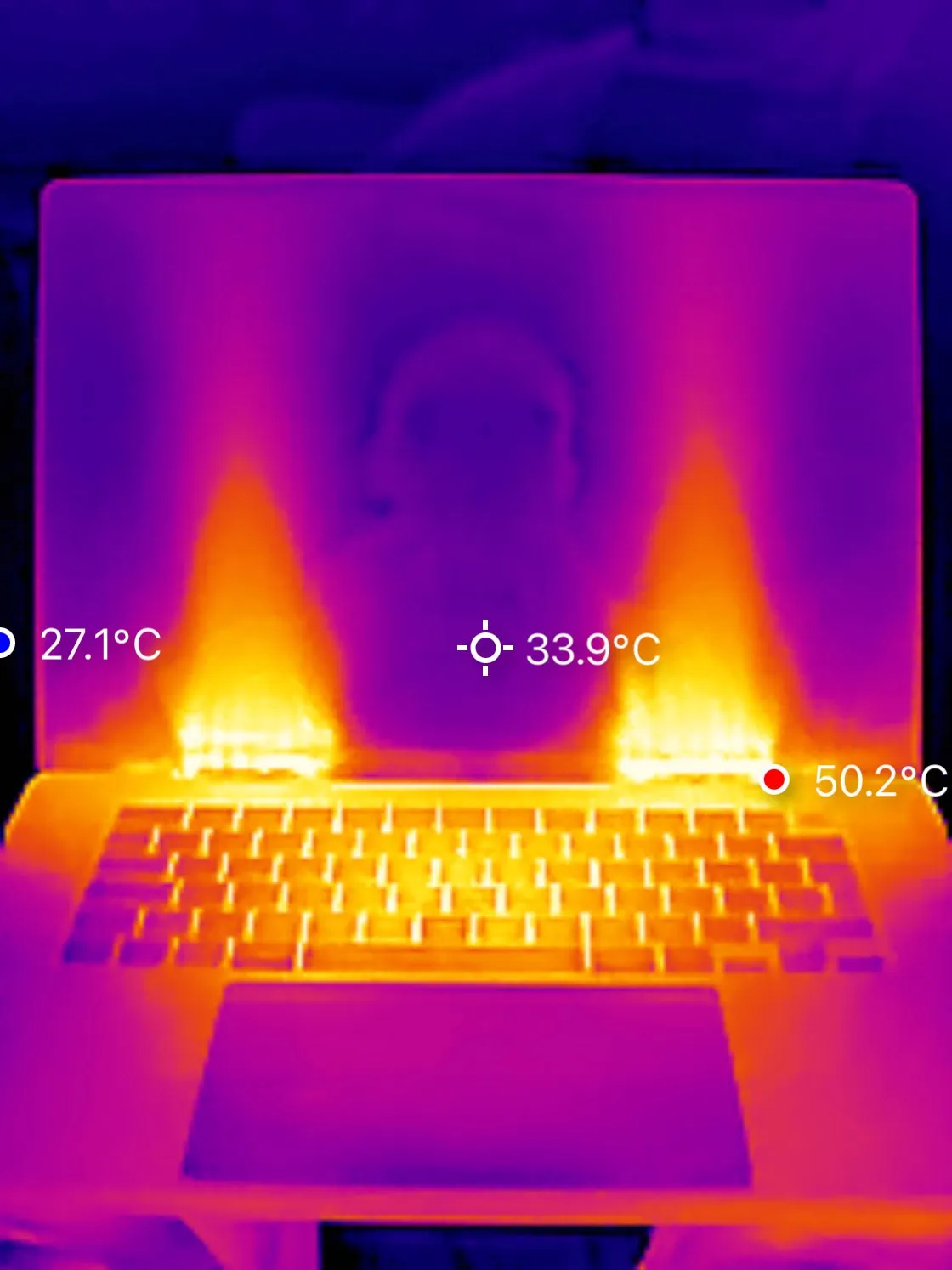
Qwen3.6 27B is finally a smart model we can use for coding on MacBook or NVIDIA RTX - with llama.cpp and OpenCode.
 HN
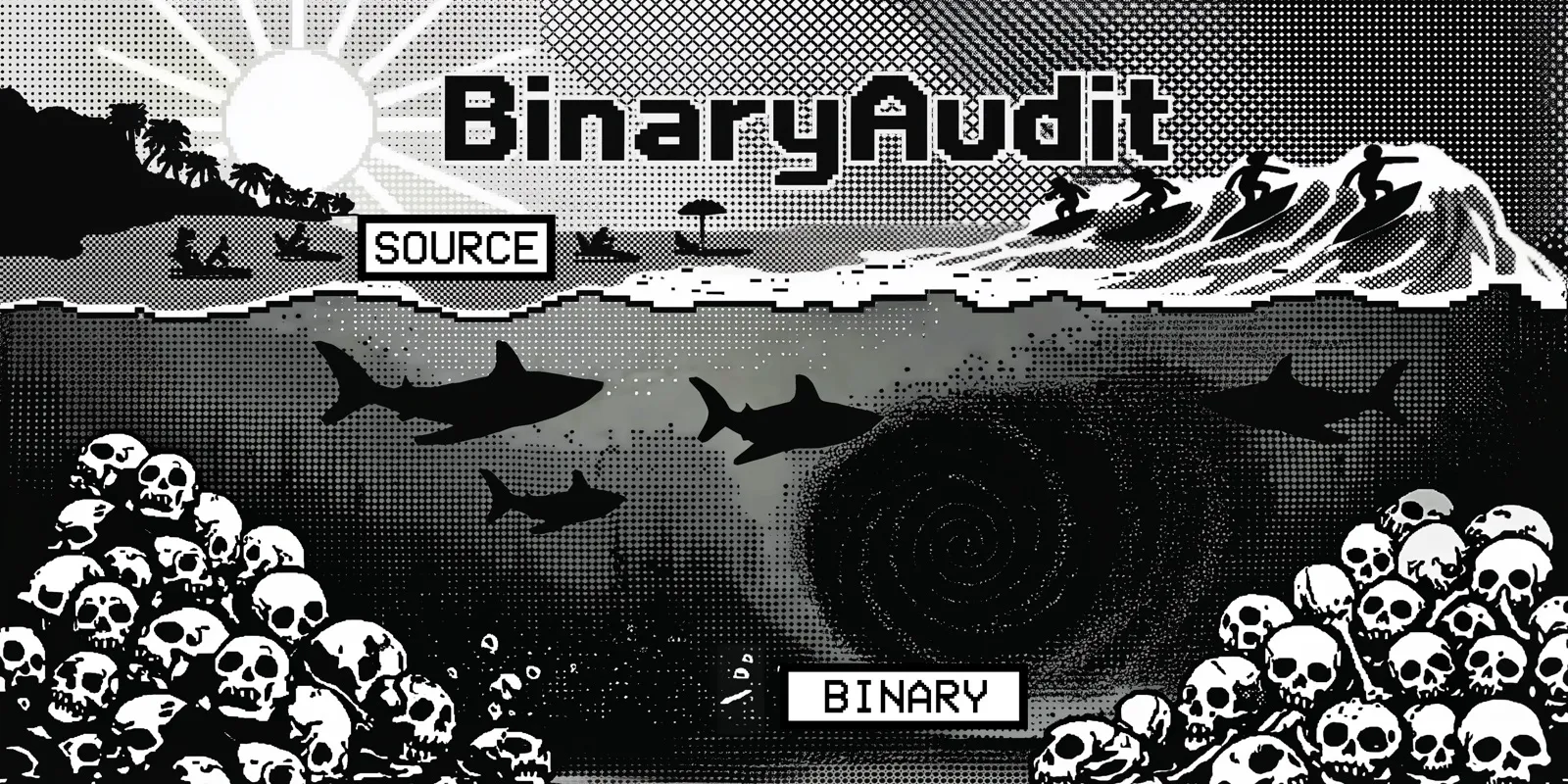
BinaryAudit benchmarks AI agents using Ghidra to find backdoors in compiled binaries of real open-source servers, proxies, and network infrastructure.
 HN
A lot of vendors pitch AI SRE. We tested 14 models across 11 programming languages; even the best ones struggle with instrumenting code with the leading open-source standard, OpenTelemetry.
 HN
Local LLMs prioritize privacy over security. Our research reveals a 95% backdoor injection success rate.
 HN
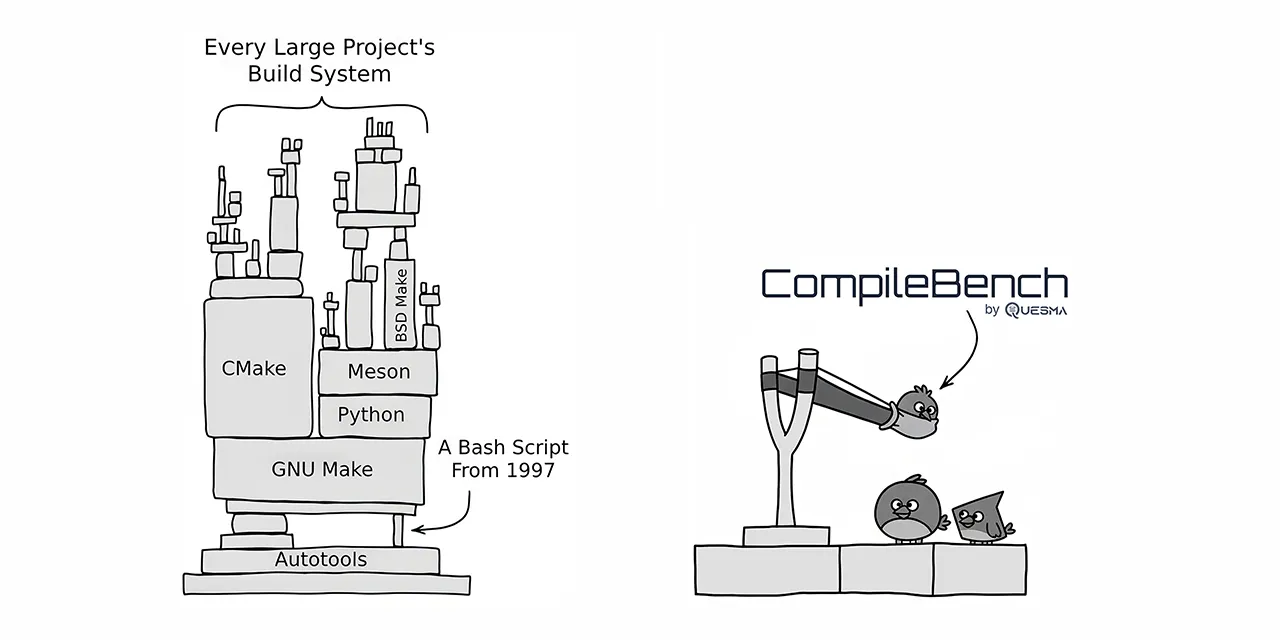
We tested 19 LLMs on their ability to handle real-world software engineering tasks like compiling old code and cross-compiling. See how Anthropic, OpenAI, and Google models stack up in our new benchmark – CompileBench.
 HN
We expected small models to be fast, but our benchmarks revealed a common reliability trap. Here’s our deep dive on finding and fixing it.