Hackathons in the vibe coding era: our token economics experiment
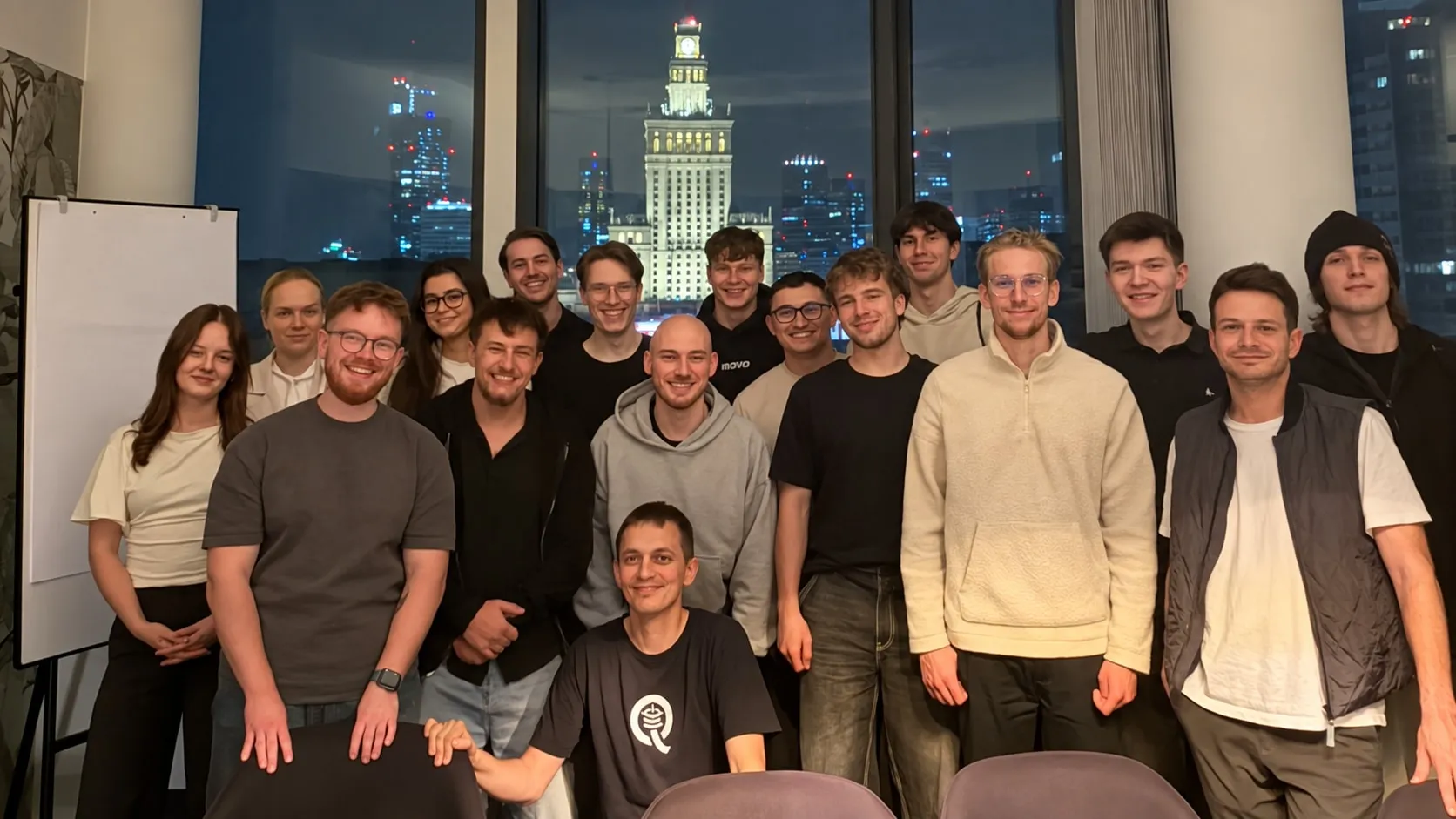
Students had one Friday evening, 18 GB of coding-agent transcripts, and a single question: where are we burning tokens? They found many wasteful patterns in agentic coding.
Know what AI tokens buy you.
Token economics is the discipline of knowing what AI tokens buy you: how compute is priced into tokens, how organizations allocate them, how agents consume them, and how that spend is measured against outcomes.
input-token spread, same model, leaner harness scored higher
Terminal-Bench, 2026 ↗4.7xClaude Code ~32,800 vs OpenCode ~6,900 scaffolding tokens
Systima, 2026 ↗≈80%of a real provider bill came from cache traffic
arXiv:2607.12161, July 2026 ↗−38% / +6.8%tool-output tokens removed, cost increased after the cached prefix broke
arXiv:2607.12161, July 2026 ↗≈0.1xbase input price for cache reads on both major providers
Anthropic and OpenAI pricing, 2026-08 ↗≈2xbill after a Codex CLI compaction retune
Codex CLI v0.118 regression, 2026 ↗$1,434/dayconsumed by a documented retry storm
arXiv:2604.16646, 2026 ↗$1,500/moper-tool cap at Uber after about four months of budget burn
TechCrunch, 2026 ↗+7.6%cost at low effort in an A/B test of a plugin claiming 60–90% cuts
JetBrains, July 2026 ↗Students had one Friday evening, 18 GB of coding-agent transcripts, and a single question: where are we burning tokens? They found many wasteful patterns in agentic coding.
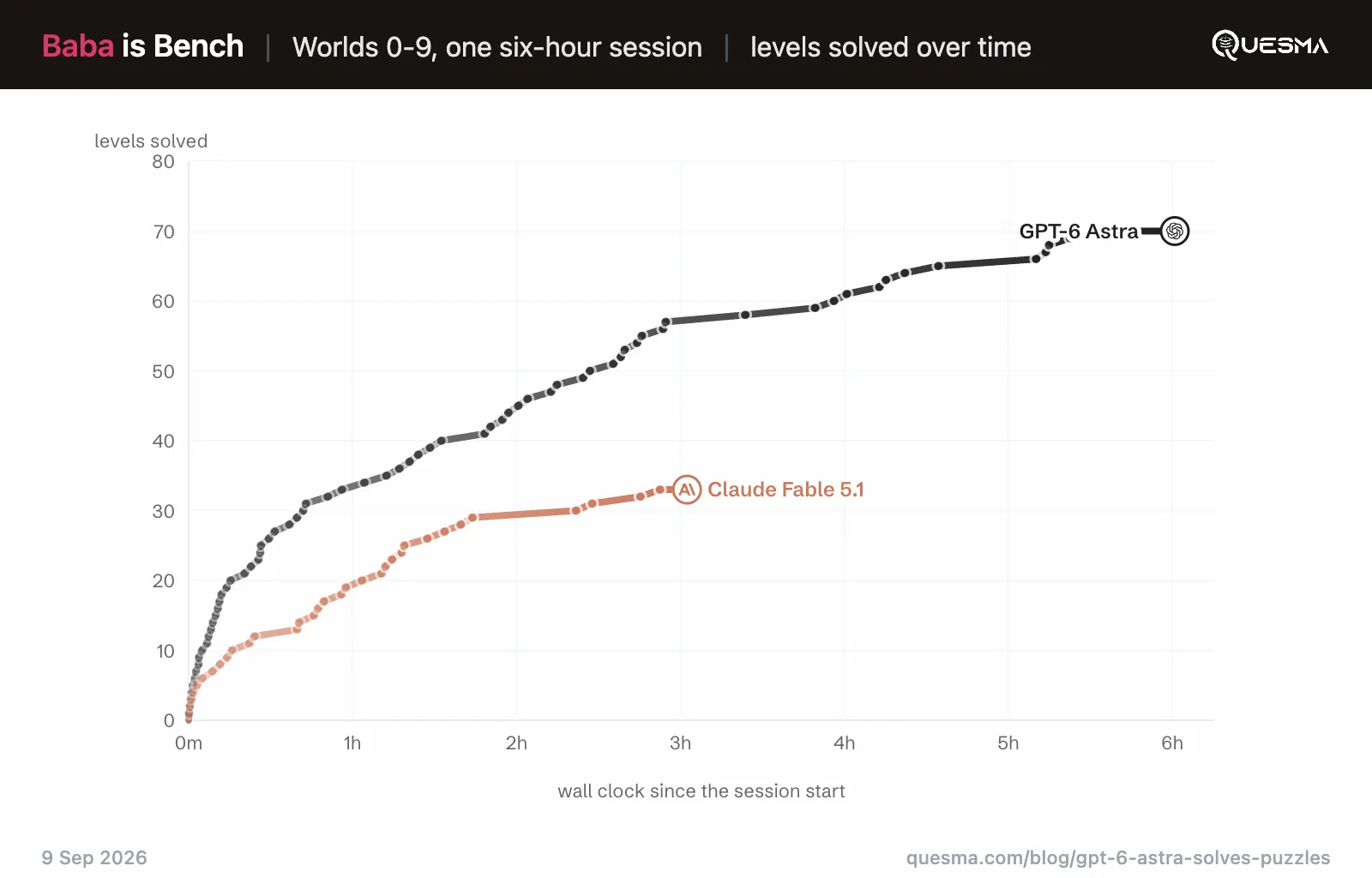
GPT-6 Astra solved twice as many Baba Is You levels as Claude Fable 5.1. It fits a pattern: ARC-AGI-3, the 3D game Portal, MazeBench, and Przemysław “Psyho” Dębiak’s obscure puzzles.
 HN
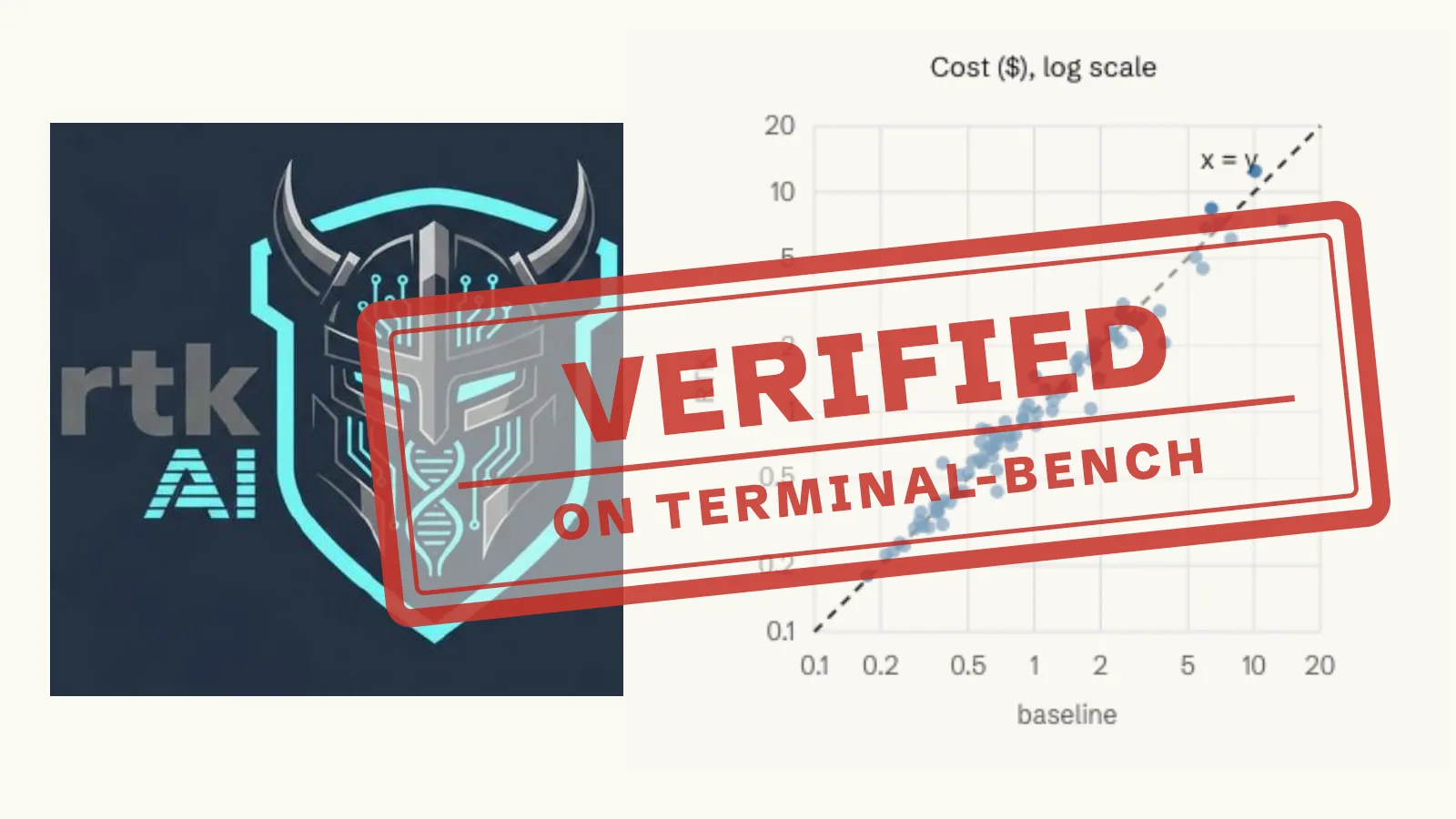
HN We tested RTK (Rust Token Killer) with Claude Code on Fable 5.0, and OpenCode with DeepSeek V4 Pro 0813 on Terminal-Bench 2.1.